
Pani Puri vs Golgappa vs Puchka: What’s the Real Difference?
Ask for pani puri in Mumbai, golgappa in Delhi, and puchka in Kolkata — and you’ll start an argument about which one is the “real” version. Here’s the truth Indians love debating: it’s one snack wearing three (actually more) regional costumes. But the costumes matter. The water is different. The filling is different. The crunch is different.
This is the definitive guide to pani puri vs golgappa vs puchka — what sets them apart, where each name comes from, and which one deserves your loyalty.
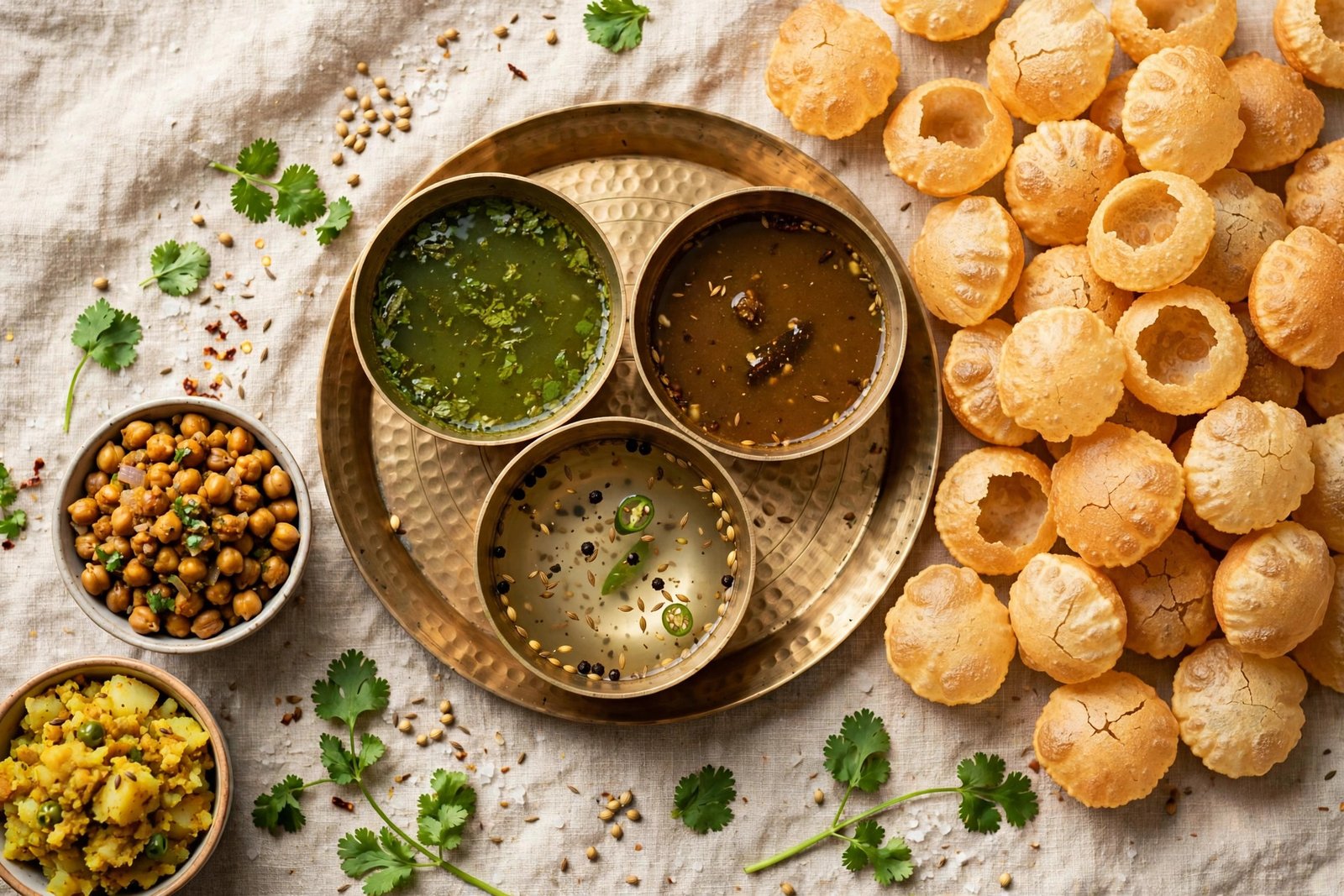
Short Answer: Same Family, Different Personalities
All three are the same idea: a crisp hollow puri, cracked open, filled with spiced potatoes and chickpeas, flooded with tangy water, and eaten whole in one bite. The differences are in the size of the puri, the style of the pani, and the filling — and each region swears its version is perfect.
Three Cities, Three Styles
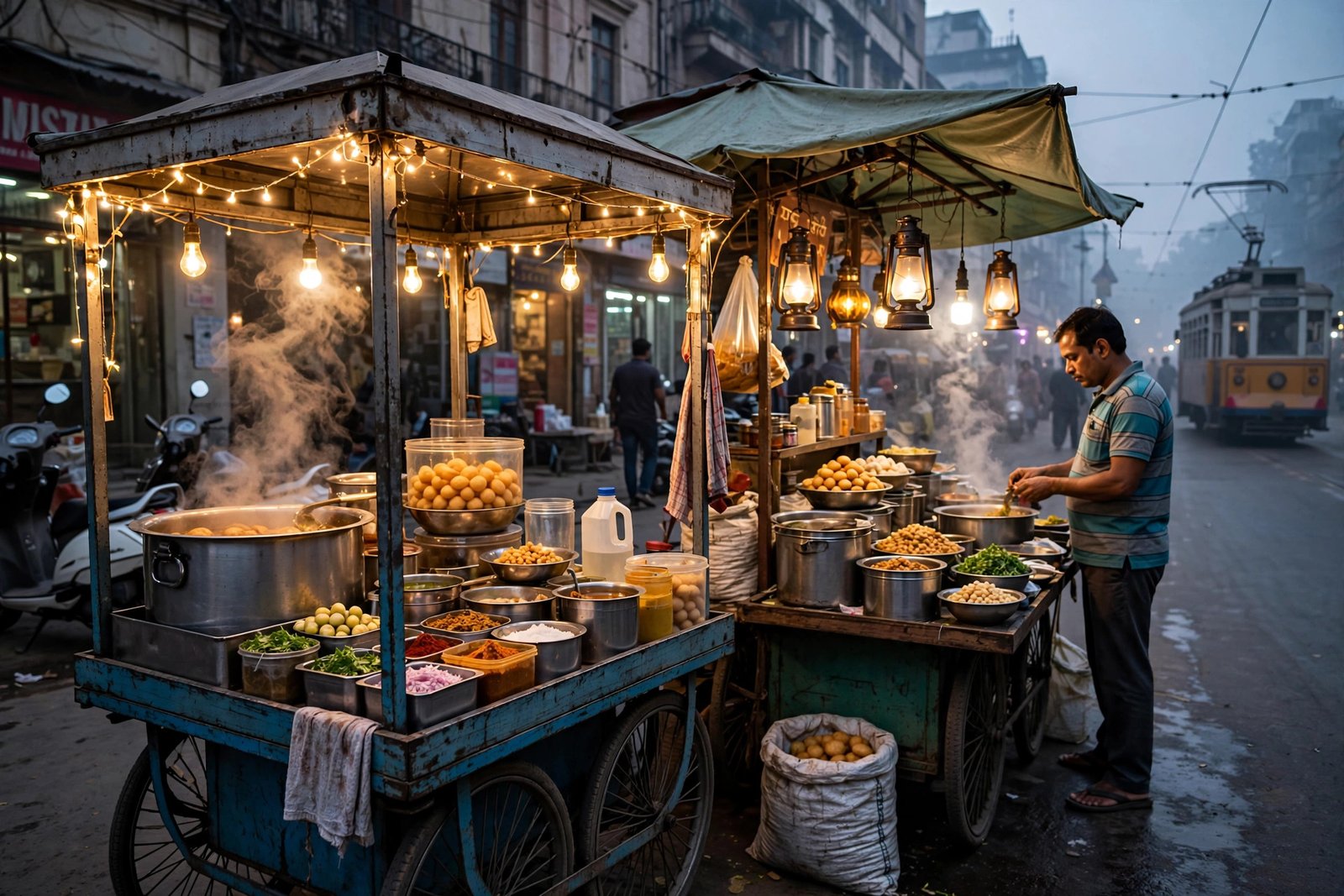
Mumbai: Pani Puri
The classic most of India pictures first. Medium crisp puris, filled with boiled potato, sprouted moong and chickpeas, served with two waters — spicy mint (pudina) and sweet-sour tamarind (imli). The Mumbai ritual: the vendor asks “teekha or meetha?” and calibrates each puri to your face’s reaction.
Delhi & North India: Golgappa
Bigger, puffier puris — golgappa literally nods to their round, plump shape. The pani leans sharper and spicier, often with a punch of black salt and roasted cumin. Fillings run heartier: potato, chickpeas, sometimes a spoon of dahi on top for the “dahi golgappa” variant. Delhi eats them fast, standing, in multiples of six.
Kolkata: Puchka
Smaller, darker, crunchier puris — puchkas are often made with a mix of wheat and semolina that fries up extra crisp. The filling is distinctly Bengali: mashed potato with black chickpeas (kala chana) and a sharper tamarind-mustard kick in the pani. Kolkata’s puchka walas are famous for handing you the puri and letting the tetul (tamarind) water do the talking.
The Comparison Table
| Pani Puri (Mumbai) | Golgappa (Delhi) | Puchka (Kolkata) | |
|---|---|---|---|
| Puri | Medium, crisp | Large, puffy | Small, extra-crunchy |
| Pani | Mint + tamarind, two bowls | Spicy, black salt & cumin punch | Tamarind-mustard, sharp tang |
| Filling | Potato, moong, chickpeas | Potato, chickpeas, optional dahi | Potato + kala chana |
| Signature | “Teekha or meetha?” | Eaten by the half-dozen, fast | Tetul water does the talking |
Wait, There’s More: Gupchup, Batashe, Phulki…
India couldn’t stop at three names. In Odisha and parts of Bihar it’s gupchup (named for the sound it makes when you eat it — go on, say it out loud). In Uttar Pradesh, pani ke batashe. In Madhya Pradesh, phulki. Same soul, new passport. If you’ve heard any of these, you’ve been eating the same legend all along.
Where Did It Originate?
Honestly? Nobody knows for sure, and every region claims it. The most repeated story traces it to the Magadha region (present-day Bihar), where a version called phulki has ancient roots. Others credit the Mughal-era kitchens. What matters more than the birthplace: it conquered every corner of India on merit, becoming arguably the country’s most searched street snack.
Which One Is the Best?
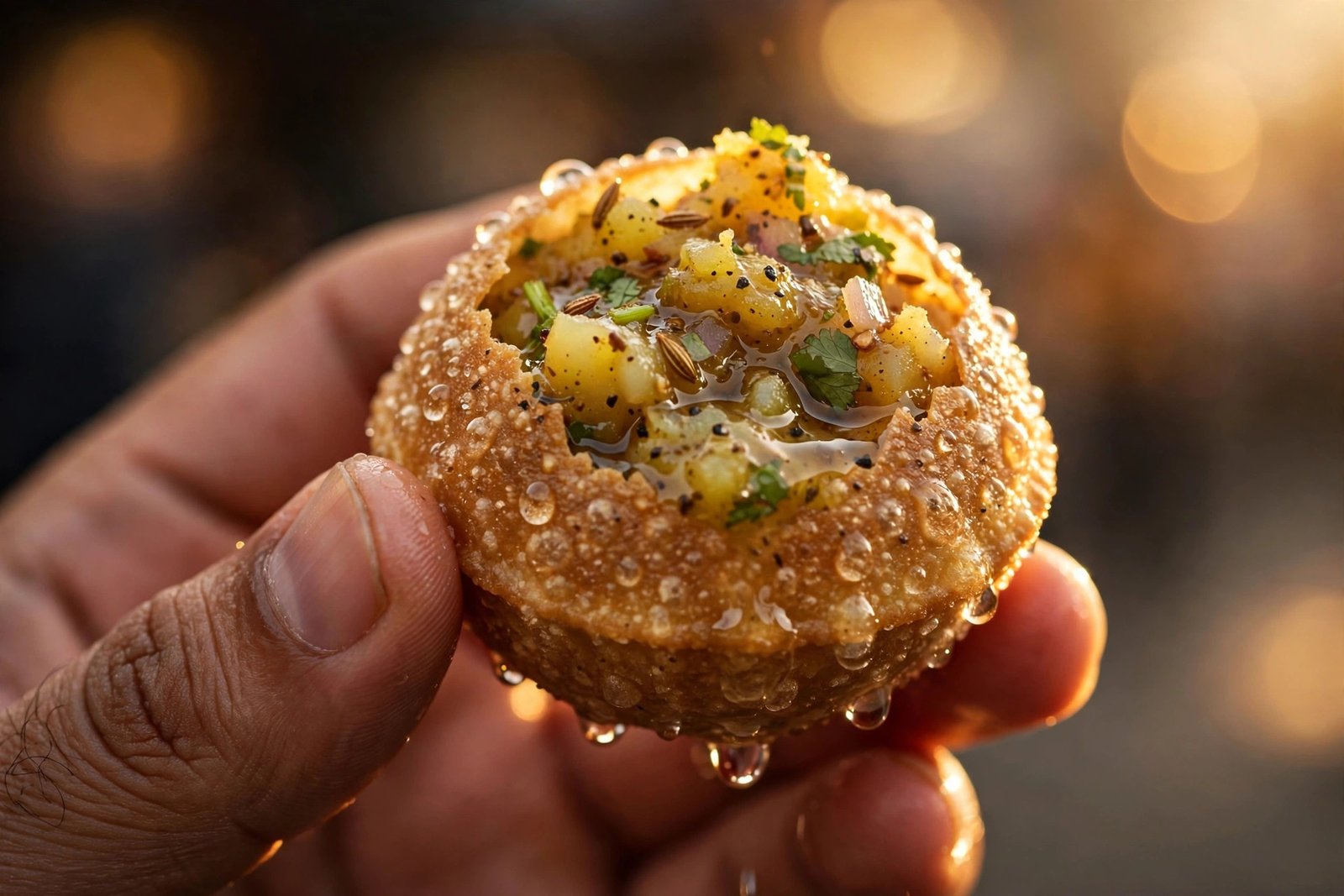
The only wrong answer is refusing to try all three. Mumbai’s balance, Delhi’s punch, Kolkata’s crunch — each is perfect in its home turf, eaten standing up, in good company, with pani dripping down your wrist. That’s the real recipe, and it doesn’t change across pin codes.
But here’s a modern question worth asking: wherever you eat them, is the pani made with clean water? Are the chutneys covered? The snack hasn’t changed in a century — the standards around it finally are.
Taste Them All — Hygienically — at MILBAITHO
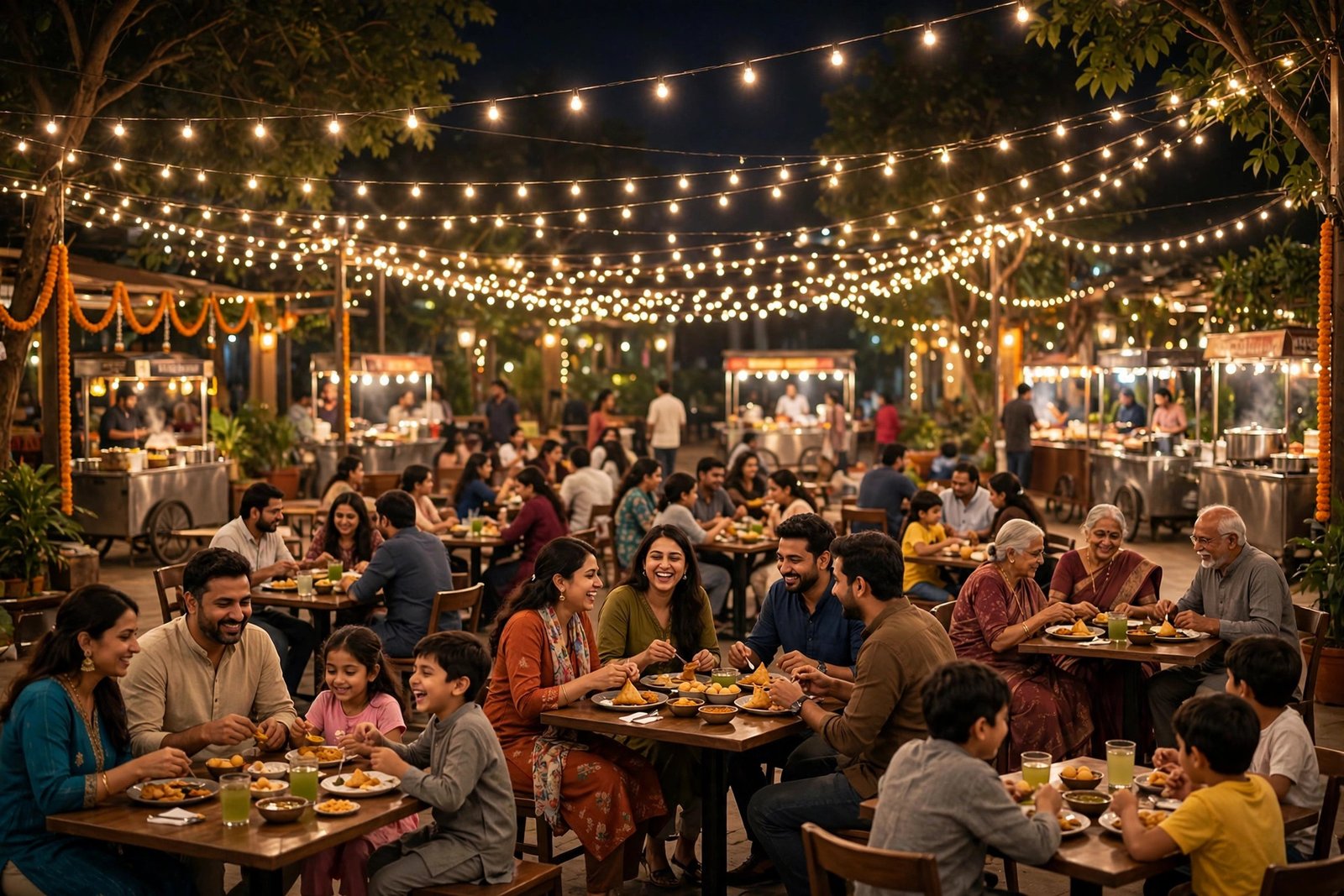
MILBAITHO is India’s new hygienic open-air street food court, and its chaat & golgappa cart exists for exactly this debate. Real regional flavours — the tang, the crunch, the pani — served under strict cleanliness standards, in a proper open-air hangout with seating for everyone.
Delhi vs Mumbai vs Kolkata? Settle it the delicious way. Make Your Evening Special.
Frequently Asked Questions
What is the difference between pani puri and golgappa?
They’re regional versions of the same snack. Pani puri (Mumbai) uses medium puris with mint and tamarind waters; golgappa (Delhi) uses larger, puffier puris with spicier pani and heartier fillings.
What is puchka?
Puchka is Kolkata’s version — smaller, crunchier puris filled with potato and black chickpeas, served with a sharp tamarind-mustard pani.
Why does it have so many different names in India?
The snack spread across regions over generations; each region renamed it and adapted the recipe: puchka (Bengal), gupchup (Odisha/Bihar), pani ke batashe (UP), phulki (MP).
Which city has the best pani puri?
There’s no official winner — Mumbai, Delhi and Kolkata all claim the crown. The best one is the freshest one, made hygienically and eaten immediately.
Where can I eat hygienic golgappa?
Look for vendors with covered pani containers, high turnover, and visibly clean preparation — or visit MILBAITHO’s hygienic open-air food court.
Looking for “Milbetto”? (Spelling note)
The brand’s official spelling is MILBAITHO (milbaitho.com). If you searched for “Milbetto”, you’ve found the right place.